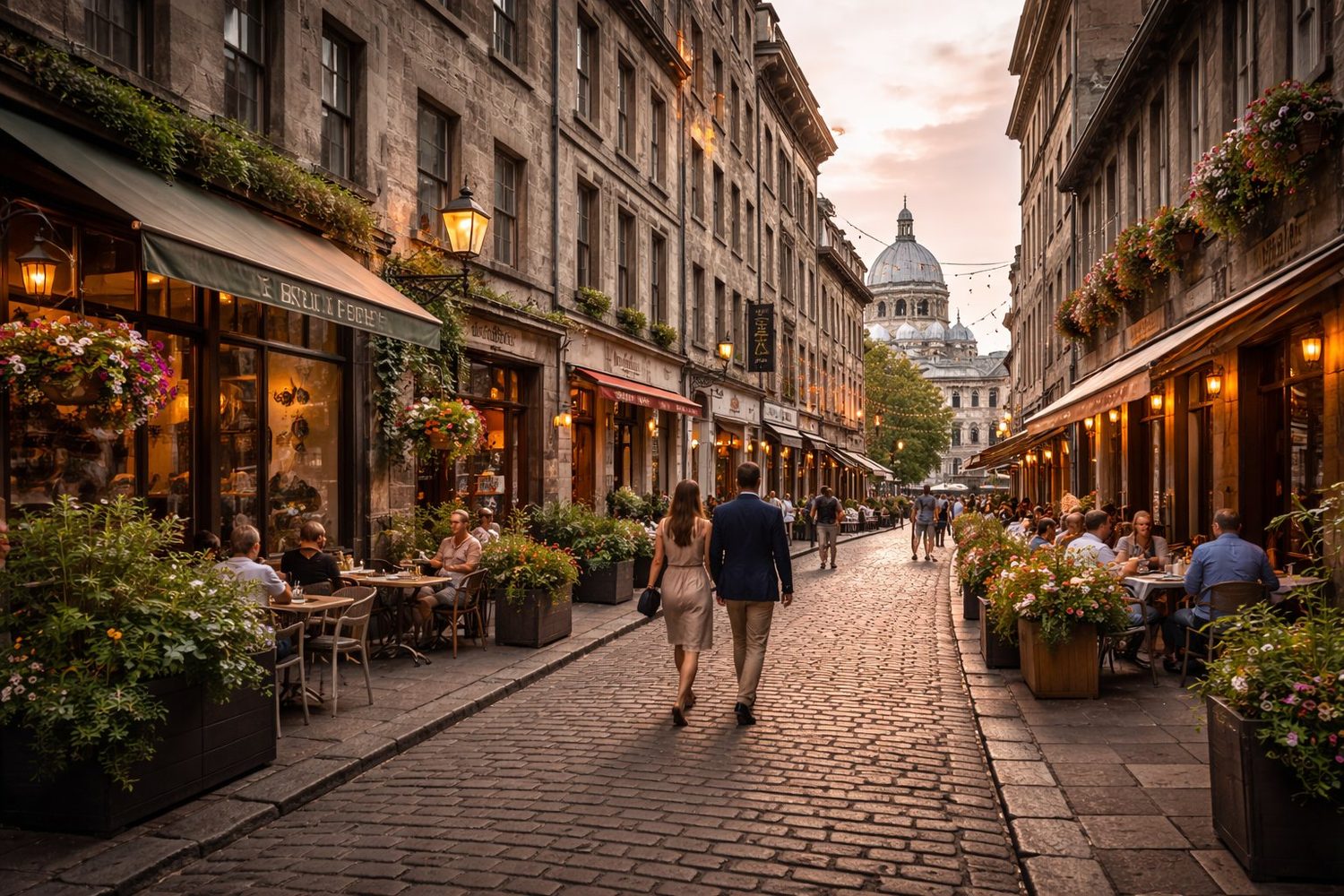
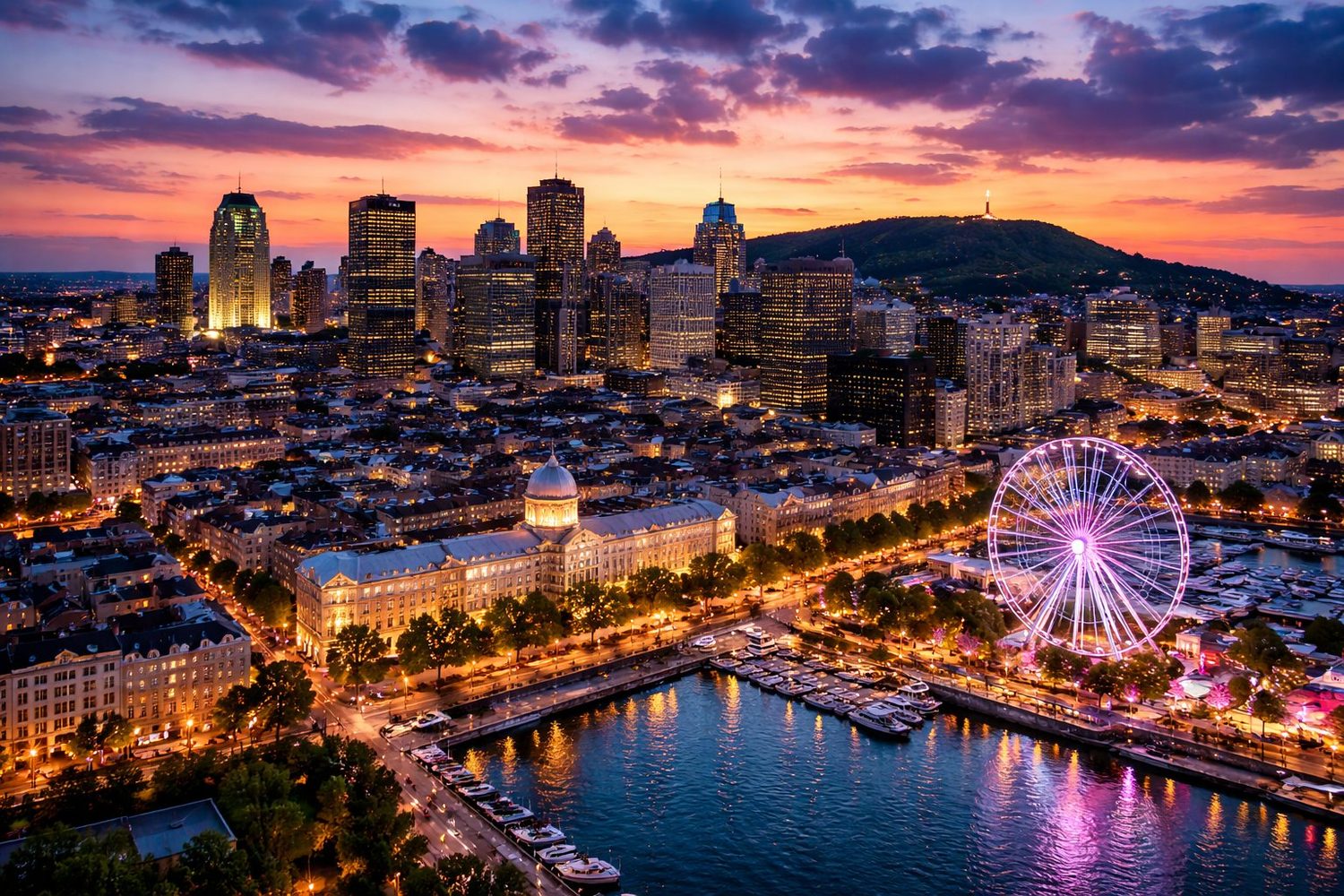
Montreal is one of North America’s most unique cities. Known for its European charm, vibrant neighbourhoods, world-class food scene, cultural diversity and relatively affordable cost of living, Montreal continues to attract newcomers from across Canada and around the world.
Whether you’re moving from another province, immigrating to Canada, relocating for work or searching for a better quality of life, this guide covers everything you need to know before making Montreal your new home.
Why move to Montreal?
Montreal offers something few major cities can match: big-city opportunities combined with a strong sense of community and culture.
- More affordable housing than Toronto or Vancouver
- Excellent public transportation
- Diverse, multicultural communities
- World-class restaurants and cafés
- Four distinct seasons
- International festivals and events
- Strong healthcare and education systems
- Access to nature and outdoor activities
Montreal combines North American convenience with European-inspired architecture, walkable neighbourhoods and a rich cultural identity.
Cost of living in Montreal
Compared to many major North American cities, Montreal remains relatively affordable.
Average monthly costs (single person)
| Expense | Average cost |
|---|---|
| Rent (1-bedroom) | $1,300 – $2,000 |
| Utilities | $80 – $180 |
| Internet | $60 – $100 |
| Mobile phone | $40 – $90 |
| Groceries | $350 – $700 |
| Transportation | $100 – $150 |
| Entertainment | $150 – $400 |
Average monthly costs (family of four)
| Expense | Average cost |
|---|---|
| Housing | $2,000 – $4,500 |
| Utilities | $150 – $300 |
| Groceries | $900 – $1,500 |
| Transportation | $250 – $600 |
| Childcare | Variable |
Actual costs vary significantly depending on neighbourhood and lifestyle.
Best neighbourhoods in Montreal
One of Montreal’s biggest strengths is its diverse collection of neighbourhoods.
Plateau Mont-Royal
- Cafés
- Restaurants
- Walkability
- Artistic atmosphere
- Famous exterior staircases
Best for: young professionals, students and creatives.
Old Montreal
- Historic architecture
- Luxury condos
- Boutique hotels
- Fine dining
- Waterfront access
Best for: professionals, luxury living and urban-lifestyle enthusiasts.
Griffintown
- New condo developments
- Trendy restaurants
- Modern lifestyle
- Canal access
Best for: young professionals, tech workers and investors.
Rosemont
- Family-friendly atmosphere
- Parks
- Local businesses
- Community feel
Best for: families and long-term residents.
NDG (Notre-Dame-de-Grâce)
- Diversity
- Excellent schools
- Family-oriented living
Best for: families and newcomers.
Westmount
- Luxury homes
- Prestigious schools
- Beautiful parks
Best for: established professionals and families seeking premium living.
Saint-Laurent
- Business parks
- Cultural diversity
- Accessibility
Best for: families and professionals.
Laval
- Larger homes
- Family-oriented communities
- Shopping centres
Best for: families seeking more space. Located just north of Montreal.
Renting in Montreal
Renting is often the first step for newcomers.
What you should know
- Most leases start on July 1.
- Tenant protections are strong in Quebec.
- Security deposits are generally not permitted.
- Lease transfers (cessions de bail) are common.
Typical rental types
- Studios
- One-bedroom apartments
- Duplexes
- Triplexes
- Condos
- Single-family homes
Popular options include local agencies and property-management companies.
Buying property in Montreal
Montreal’s real-estate market remains attractive compared to other major Canadian cities.
Property types
- Condominiums
- Detached homes
- Townhouses
- Duplexes
- Triplexes
Professionals you’ll need
- Real-estate agent
- Mortgage broker
- Notary (in Quebec, property transactions are closed by a notary)
- Home inspector
Buying property requires careful planning and professional guidance.
Getting around Montreal
Montreal offers one of Canada’s best public-transit networks.
Metro
The Montreal Metro provides quick access across the city.
STM bus network
Extensive routes connect neighbourhoods throughout the city.
BIXI bike sharing
Perfect during spring, summer and fall.
Driving
While many residents rely on transit, owning a vehicle can help in certain neighbourhoods. Winter tires are mandatory in Quebec during the winter months.
Healthcare in Montreal
Quebec residents have access to publicly funded healthcare through RAMQ.
Important steps
- Apply for RAMQ coverage
- Find a family doctor
- Register with local clinics
Healthcare options include family-medicine groups, walk-in clinics, hospitals and private providers. Many newcomers begin with walk-in clinics while searching for a family physician.
Schools and education
Montreal is home to excellent public and private institutions.
Public schools
French and English school systems are available, subject to eligibility requirements.
Private schools
Montreal offers numerous respected private institutions.
Universities
- McGill University
- Université de Montréal
- Concordia University
- HEC Montréal
The city attracts students from around the world.
Finding a job in Montreal
Montreal has a diverse economy.
Major industries
- Technology
- Artificial intelligence
- Aerospace
- Healthcare
- Construction
- Real estate
- Finance
- Marketing
- Manufacturing
Popular job-search methods
- Recruitment agencies
- Professional networking
- Online job boards
- Industry associations
Bilingualism can be an advantage, but opportunities exist for both English and French speakers.
Internet, utilities and mobile services
Electricity
Hydro-Québec supplies electricity throughout the province.
Internet
Several providers offer high-speed residential internet.
Mobile phone plans
National and regional providers offer a range of plans for newcomers.
Setting up utilities should be among your first priorities after securing housing.
Banking in Montreal
Most major Canadian banks offer newcomer programs.
Common services
- Chequing accounts
- Savings accounts
- Credit cards
- Mortgages
- Business banking
Many newcomers benefit from packages designed for recent arrivals.
Hiring a moving company
A professional mover can simplify your relocation.
What to consider
- Insurance coverage
- Reviews
- Licensing
- Transparent pricing
- Storage options
Book early if you’re moving near July 1 — Montreal’s busiest moving season.
Family life in Montreal
Montreal is consistently ranked among Canada’s best cities for families.
- Parks and playgrounds
- Community centres
- Museums
- Sports facilities
- Summer festivals
- Winter activities
The city balances urban convenience with family-friendly living.
Surviving your first Montreal winter
Winter is part of the Montreal experience.
Essentials
- A quality winter coat
- Waterproof boots
- Gloves
- A warm hat
- Layered clothing
Winter tips
- Prepare your vehicle
- Learn the snow-parking regulations
- Take advantage of winter festivals
- Explore skating rinks and outdoor activities
Many residents find winter becomes one of their favourite seasons once they’re properly prepared.
Newcomer checklist
Before moving
- Secure housing
- Research neighbourhoods
- Prepare important documents
- Arrange moving services
After arrival
- Apply for RAMQ
- Open a bank account
- Get a driver’s licence if needed
- Set up internet and utilities
- Register children for school
- Find a family doctor
- Explore your neighbourhood
Final thoughts
Moving to Montreal is more than a change of address — it’s an opportunity to experience one of North America’s most dynamic, diverse and culturally rich cities.
From historic neighbourhoods and world-class dining to strong public services and vibrant communities, Montreal remains one of Canada’s most attractive places to live, work and raise a family. With careful planning and local knowledge, your transition can be smooth and successful.
See all movers in Montreal →Frequently asked questions
Is Montreal a good place to live?
Yes. Montreal offers an excellent balance of affordability, culture, transportation, education and quality of life.
Is Montreal expensive?
Compared to Toronto and Vancouver, Montreal remains relatively affordable.
Can I live in Montreal without speaking French?
Yes, although learning French will significantly improve your opportunities and your experience.
What salary do I need to live comfortably in Montreal?
It depends on your lifestyle and family size, but many professionals enjoy a comfortable lifestyle compared to other major Canadian cities.
Which Montreal neighbourhood is best for families?
Popular options include Rosemont, NDG, Saint-Laurent, Laval and parts of the West Island.
Is public transit good in Montreal?
Yes. The Metro and bus systems provide excellent coverage throughout the city.
How much is rent in Montreal?
Rental prices vary by neighbourhood and property type but generally remain lower than in Toronto and Vancouver.
What is the safest area in Montreal?
Many neighbourhoods are considered safe, including Westmount, the Town of Mount Royal, and parts of Rosemont, NDG and Saint-Laurent.