Montreal is easy to explore on foot and by public transit. Here are the essentials for planning a great first visit.
When to visit Montreal
Summer (June–August) is peak festival and terrace season. Fall brings foliage and smaller crowds. Winter is cold and snowy but festive (Christmas markets, Igloofest). Spring is a transition season.
Getting around
The STM metro (four lines) and buses cover the city; BIXI bikes are handy in summer. Downtown and Old Montreal are walkable. From the airport (YUL), the 747 shuttle reaches downtown around the clock.
The must-sees
- Old Montreal and Notre-Dame Basilica
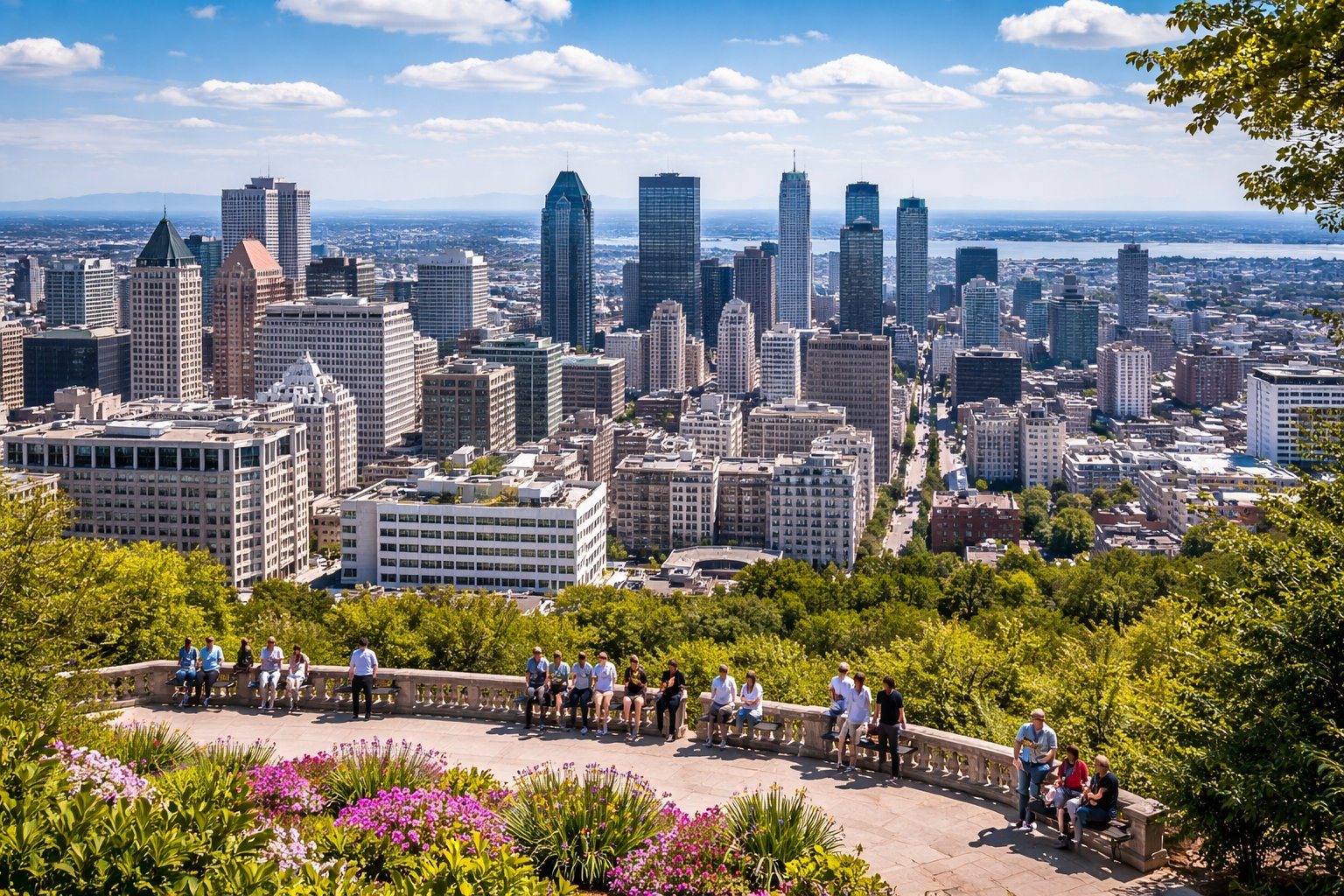
- Mount Royal and its lookout
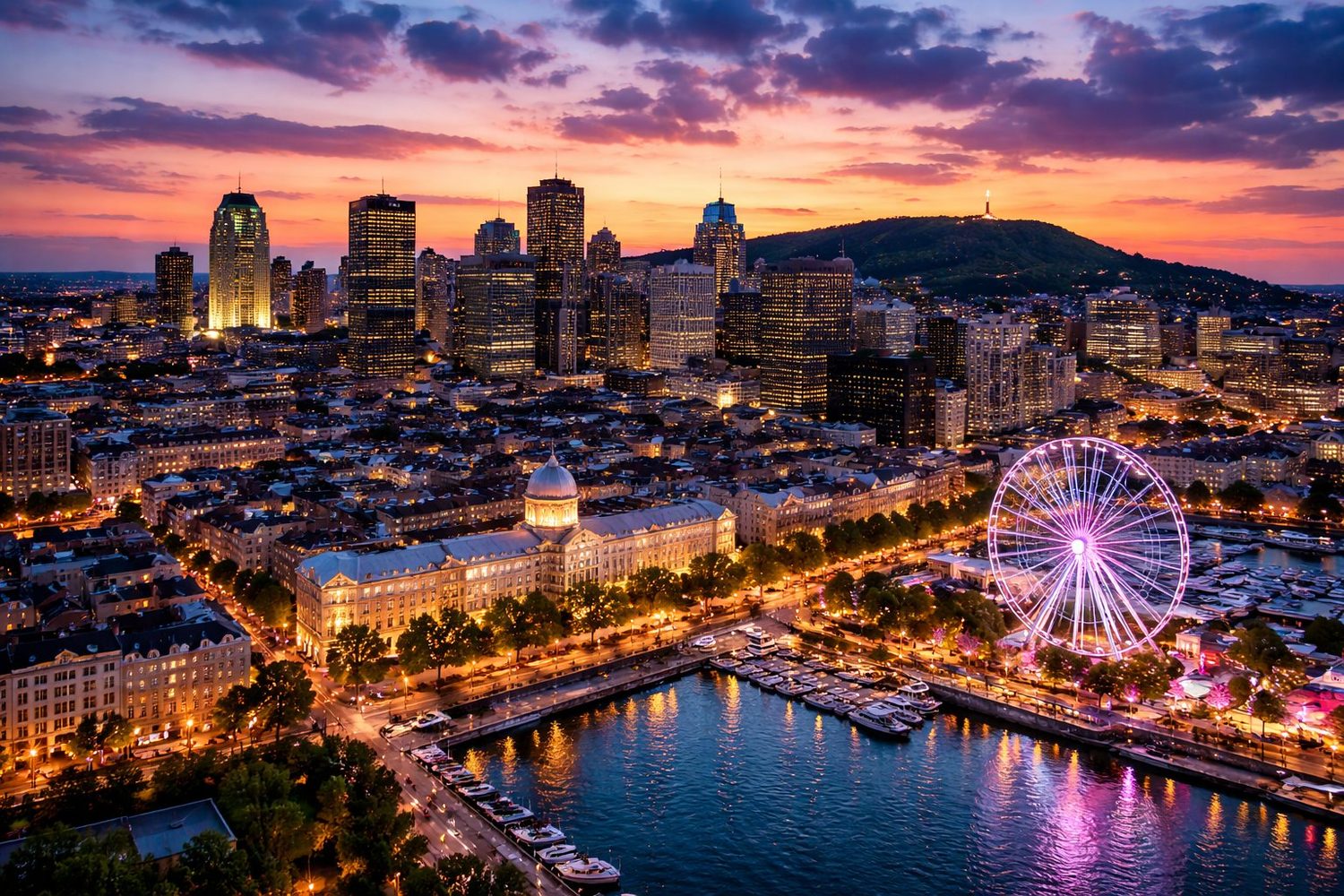
- The Old Port and riverfront
- The Botanical Garden and Olympic Park
- Jean-Talon Market
- The Montreal Museum of Fine Arts
- The Quartier des Spectacles
Where to stay
Old Montreal charms with its character; downtown is central and convenient; the Plateau offers a more local vibe. See our neighbourhood pages to choose.
Where to eat
Try the bagels, smoked meat and poutine, then explore an international scene and the public markets. Our directory lists restaurants and cafés by neighbourhood.
Day trips
Quebec City, the Eastern Townships, Mont-Tremblant and Ottawa are all within a few hours.
Practical tips
- French is the official language; English is widely understood in tourist areas
- Customary tipping is about 15–20%
- Taxes are added at checkout
- Dress for the season — temperature swings are large
- The currency is the Canadian dollar (CAD)
Frequently asked questions
How many days do you need in Montreal?
Three to four days cover the essentials; a week lets you add day trips.
Is Montreal walkable?
Yes, especially downtown and Old Montreal; the metro complements walking well.
Do you need to speak French in Montreal?
It isn’t essential in tourist areas, but a few words of French are appreciated.